Polymer Zero-Order Half-Wave Waveplates
Polymer Zero-Order Half-Wave Waveplates
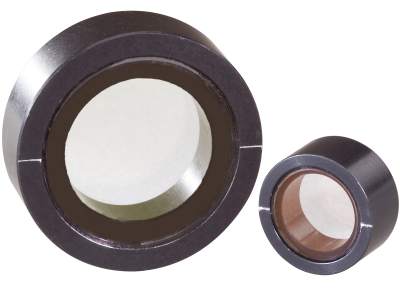
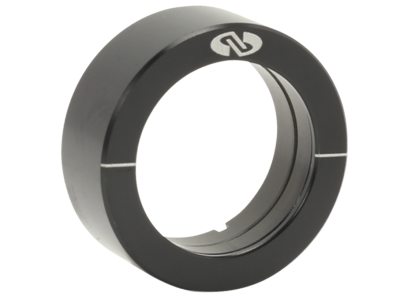
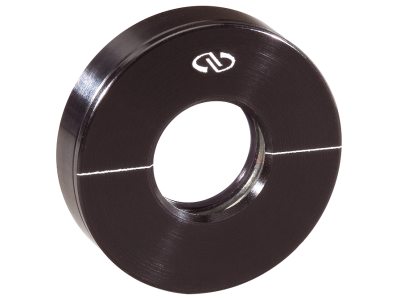
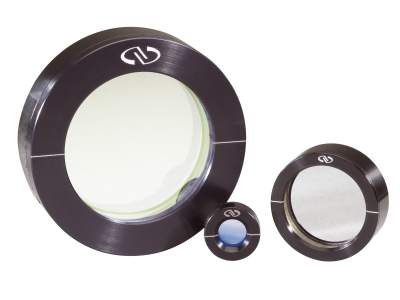
Our true zero-order half-wave waveplates consist of a birefringent polymer film cemented between two high-precision N-BK7 windows, each with a high efficiency, broadband antireflection coating. These Polymer wave plates offer several benefits over quartz waveplates, such as better angular acceptance and less sensitivity to wavelength change.
- λ/2 waveplate for rotating the plane of plane-polarized light
- ±λ/350 retardation accuracy
- Birefringent polymer film cemented between two windows
- Less sensitive to wavelength change than quartz wave plates
- Better angular acceptance than either multiple-order or zero-order quartz See All Features
| Compare | Description | Drawings, CAD & Specs | Avail. | Price | ||
|---|---|---|---|---|---|---|
 | 05RP32-780Zero-Order Waveplate, Half-Wave, Polymer, 12.7 mm Diameter, 780 nm | 7 Weeks | ||||
| 05RP32-830Zero-Order Waveplate, Half-Wave, Polymer, 12.7 mm Diameter, 830 nm | In Stock | ||||
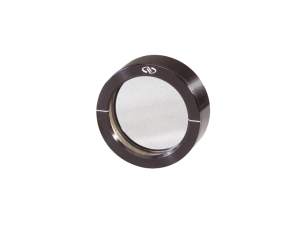 | 10RP32-632.8Zero-Order Waveplate, Half-Wave, Polymer, 25.4 mm Diameter, 632.8 nm | |||||
| 10RP32-1064Zero-Order Waveplate, Half-Wave, Polymer, 25.4 mm Diameter, 1064 nm | In Stock | ||||
| 10RP32-1550Zero-Order Waveplate, Half-Wave, Polymer, 25.4 mm Diameter, 1550 nm | |||||
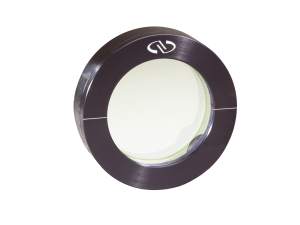 | 20RP32-1064Zero-Order Waveplate, Half-Wave, Polymer, 50.8 mm Diameter, 1064 nm | In Stock |
Mounting Options
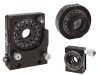
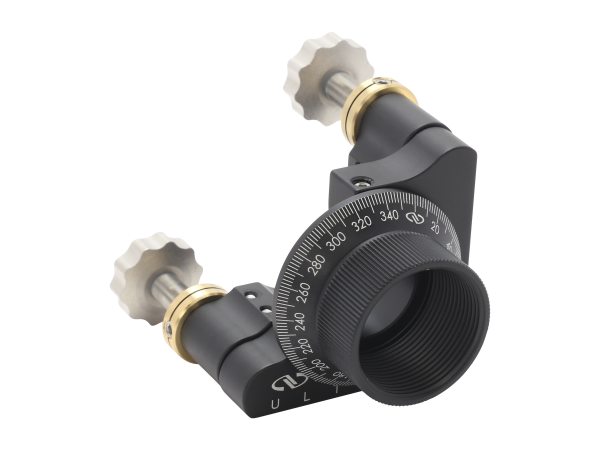
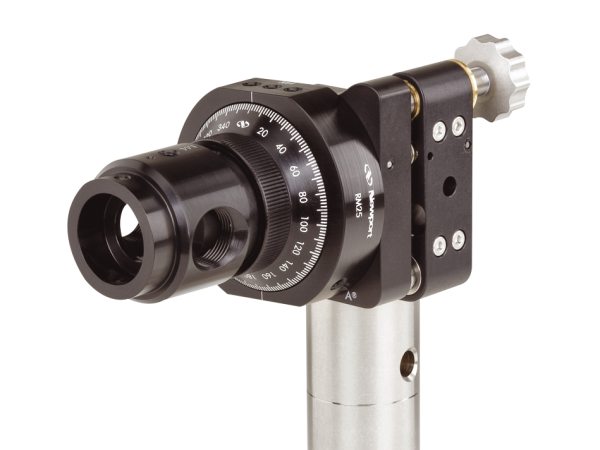
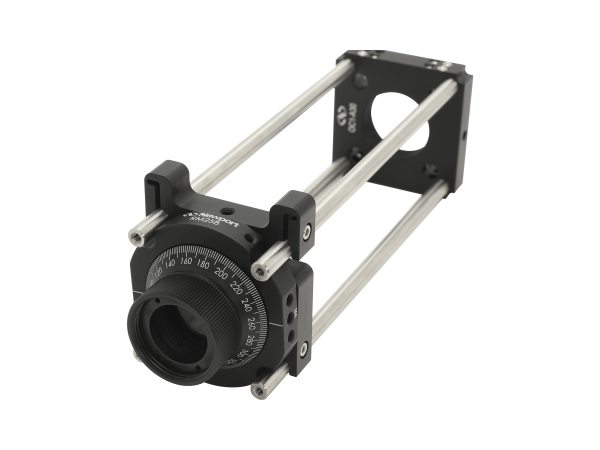
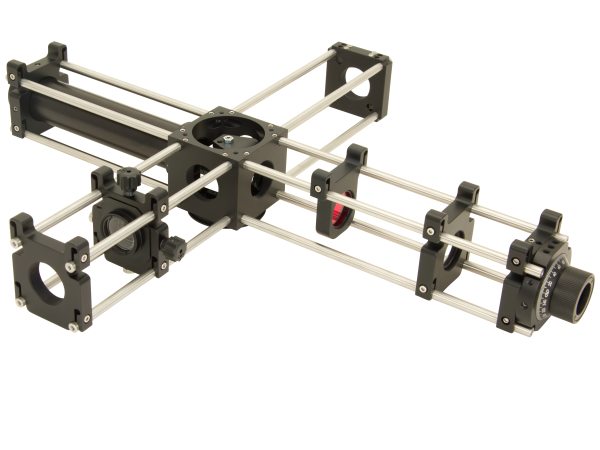
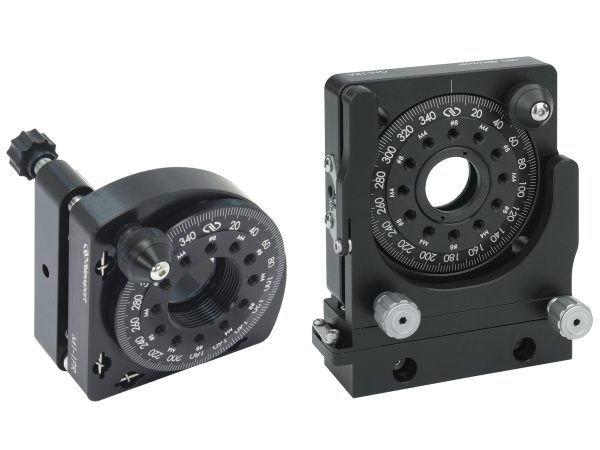
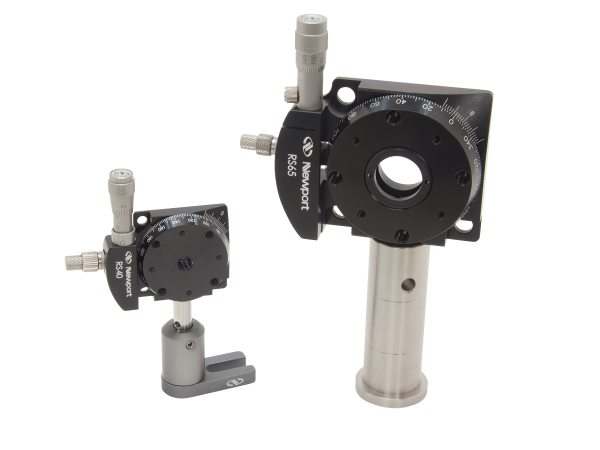
Manual Rotation Mounts
 |
 |
 |
 |
 |
 |
|
|---|---|---|---|---|---|---|
| Models | ( |
|||||
| Retaining Thread | 1.063-20 | |||||
| Compatible Optic Diameter* | 25.4 mm 12.7 mm ( |
|||||
| Special Features | 1 in. Mirror Mounts Compatibility | OpticsCage+™ Compatibility | Tip&Tilt Adjustments | Fine Adjustments | ||
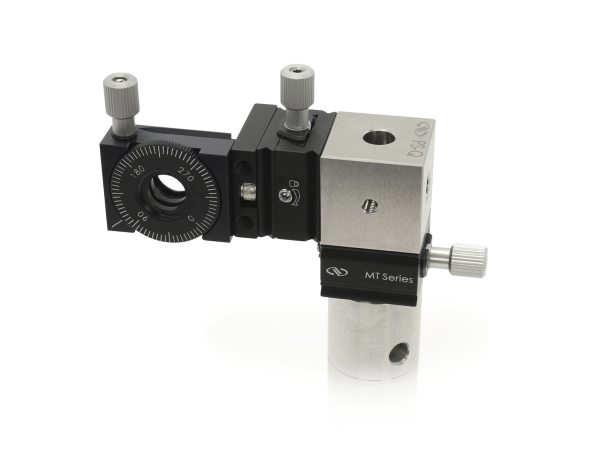 |
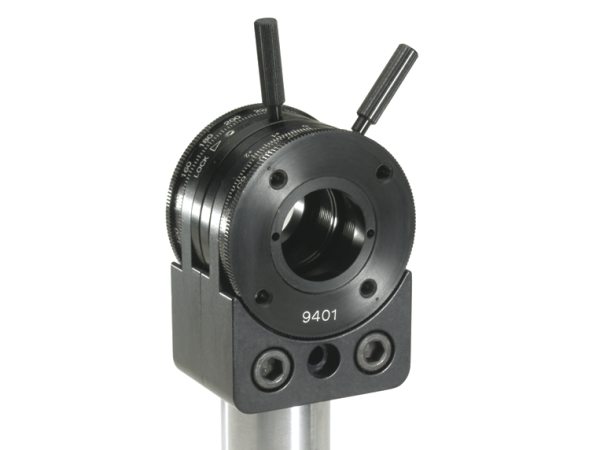 |
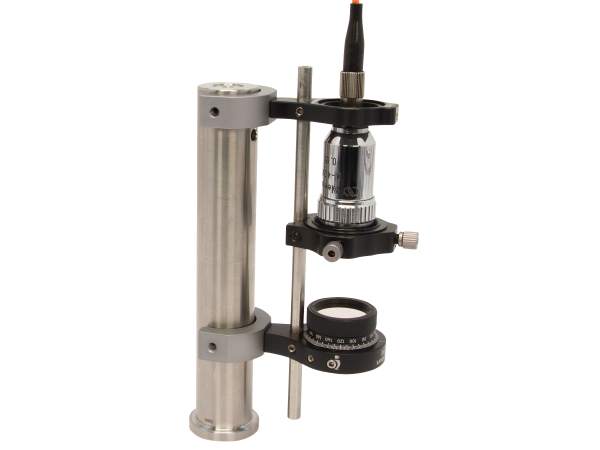 |
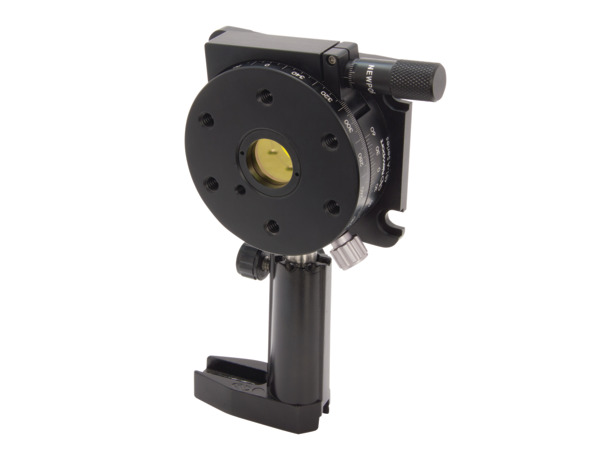 |
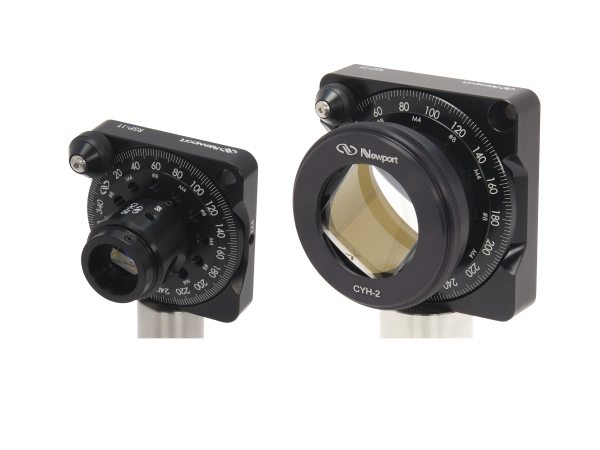 |
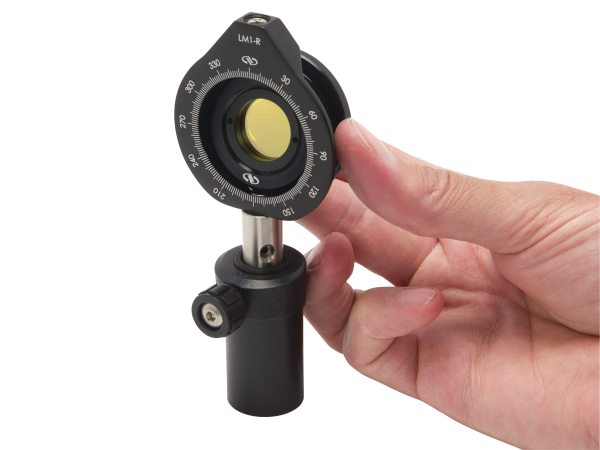 |
|
|---|---|---|---|---|---|---|
| Models | ( |
( |
( ( |
|||
| Retaining Thread | 0.546-32 | 1.040-32 | 1.035-40 | 1.063-20 | 2.063-20 1.063-20 |
– |
| Compatible Optic Diameter* | 12.7 mm | 25.4 mm | 25.4 mm 12.7 mm ( |
50.8 mm 25.4 mm 12.7 mm ( |
50.8 mm ( 38.1 mm ( 25.4 mm ( 12.7 mm ( 6.35 mm ( |
|
| Special Features | Compact | Stackable | A-Line™ Compatibility | Fine Adjustments | Quick Exchange | |
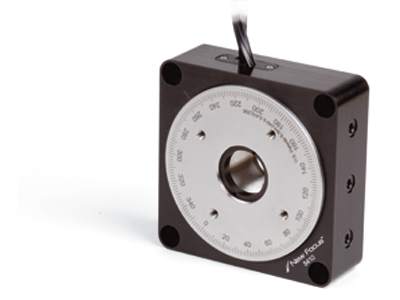
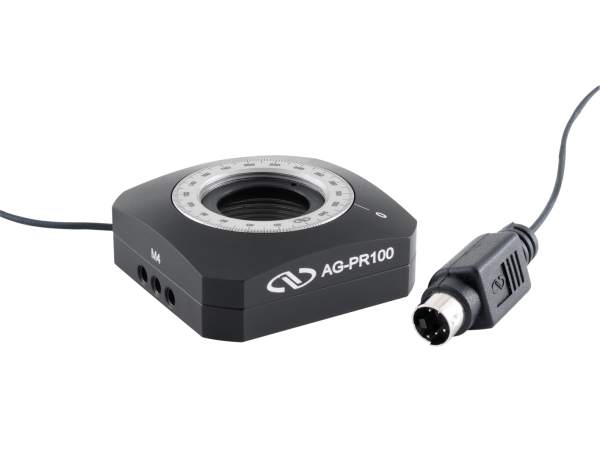
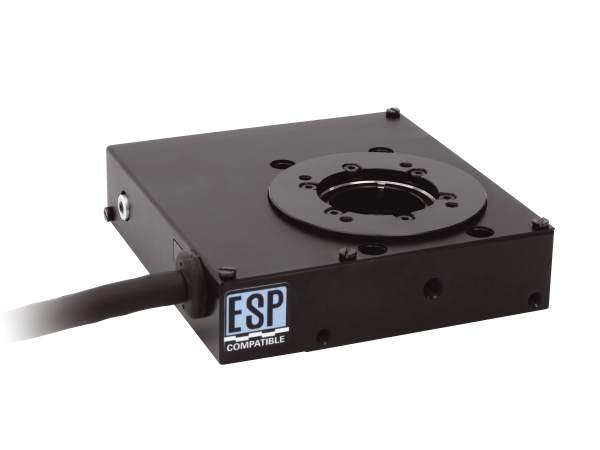
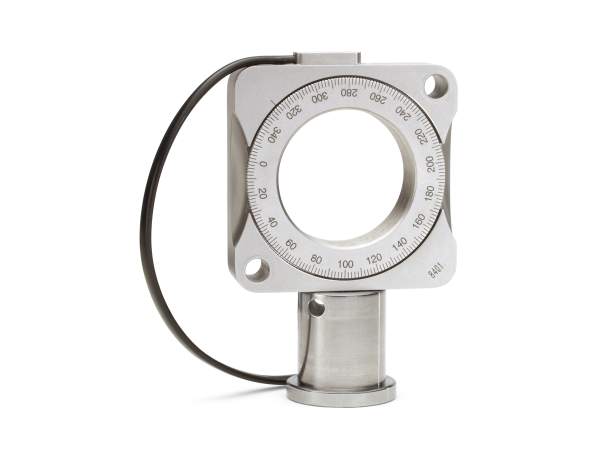
Motorized Rotation Mounts
 |
 |
 |
 |
|
|---|---|---|---|---|
| Models | ( |
( ( |
||
| Retaining Thread | 1.040-32 | 1.063-20 | 1.563-20 | |
| Compatible Optic Diameters* | 25.4 mm | 25.4 mm 12.7 mm |
||
*The adapter in parentheses is required for the optic size before it.
Specifications
- Retardationλ/2
- Retardation Accuracy±λ/350
- MaterialGrade A N-BK7
- HousingBlack anodized aluminum
- Acceptance Angle±9°
- Transmitted Beam Deviation≤1 arc min
- Wavefront Distortion≤λ/5 at 632.8 nm over the full aperture
- Damage Threshold500 W/cm2 CW
- Pulse Damage Threshold0.5 J/cm2 with 10 nsec pulses, @ 1064 nm
0.3 J/cm2 with 10 nsec pulses @ 532 nm - Reflectivity per Surface<0.5%
- Antireflection CoatingBroadband, multilayer coating
- Surface Quality40-20 scratch-dig
- Diameter Tolerance±0.13 mm
- Operating Temperature Range-20 to 50°C
- Cleaning
Features
Polymer Zero-Order Waveplate Construction
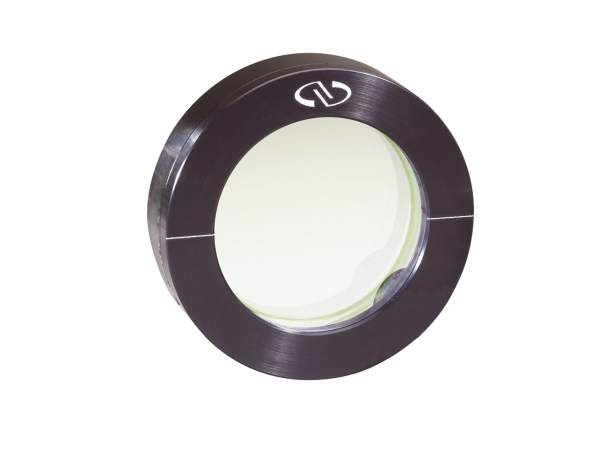
Our true zero-order wave plates consist of a birefringent polymer film cemented between two high-precision N-BK7 optical windows, each with a high efficiency, broadband antireflection coating. This construction ensures excellent transmitted wavefront quality, while minimizing beam deviation and surface reflection losses. The assembly is mounted in a black anodized aluminum housing for protection and ease of mounting, with the wave plate fast axis marked for alignment reference.
Rotate the Plane of a Plane-Polarized Wave
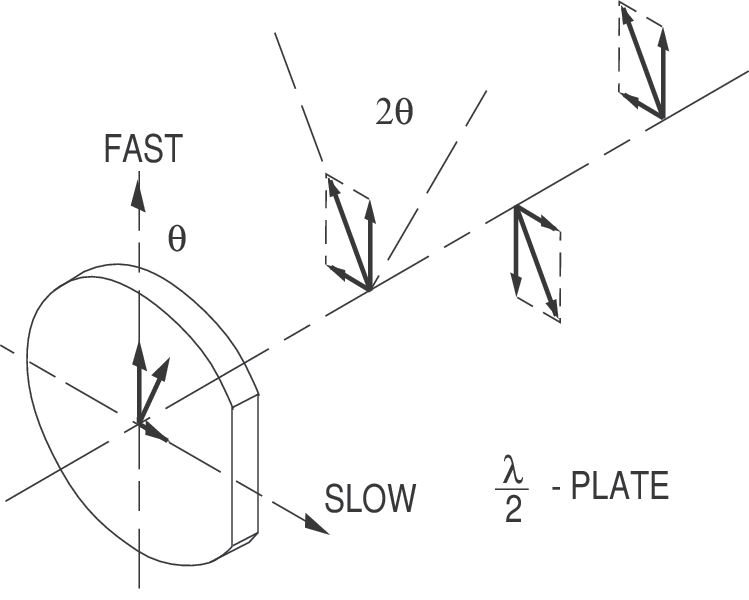
A half-wave plate can rotate the plane of polarization from a polarized laser to any other desired plane. Suppose a plane-polarized wave is normally incident on a wave plate, and the plane of polarization is at an angle θ with respect to the fast axis. To see what happens, resolve the incident field into components polarized along the fast and slow axes, as shown. After passing through the plate, pick a point in the wave where the fast component passes through a maximum. Since the slow component is retarded by one half-wave, it will also be a maximum, but 180° out of phase, or pointing along the negative slow axis. If we follow the wave further, we see that the slow component remains exactly 180° out of phase with the original slow component, relative to the fast component. This describes a plane-polarized wave, but making an angle θ on the opposite side of the fast axis. Our original plane wave has been rotated through an angle 2θ.
Retardation is Insensitive to Wavelength
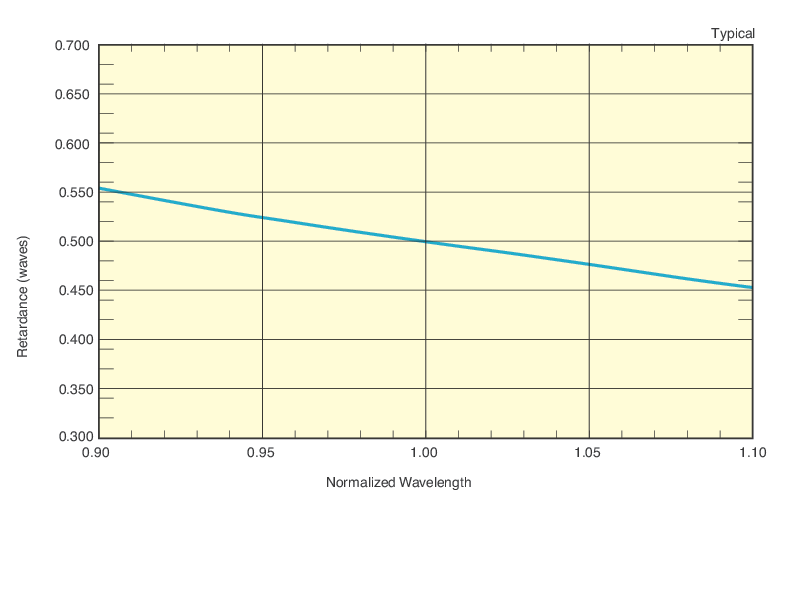
The polymer material has very low birefringence that is nearly constant with wavelength. The retardance δ at a new wavelength λ that is different from the center wavelength λc is given by: δ = δc(λc/λ) where δc is the retardance at λc. The primary benefit is a moderate insensitivity to wavelength change, making them ideal for laser diode or tunable laser applications.
Retardation is Insensitive to Incidence Angle
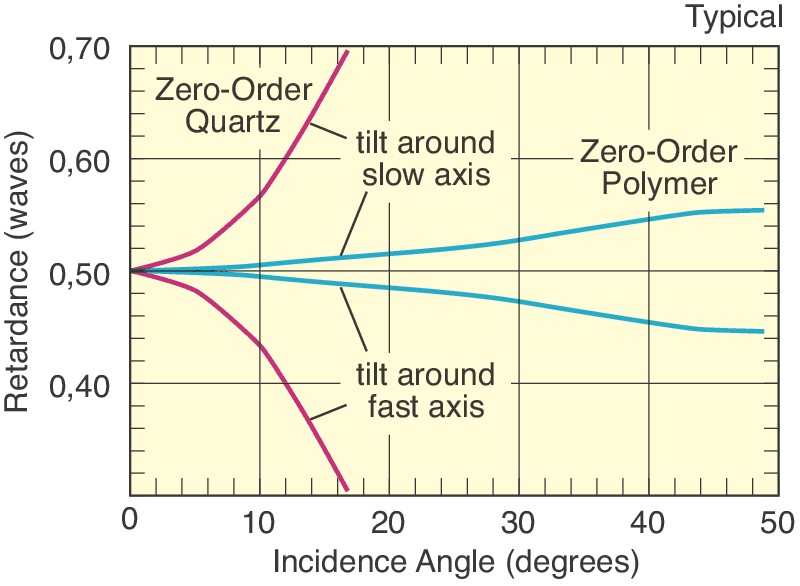
Polymer wave plates feature better angular acceptance than quartz wave plates. Polymer wave plates have excellent angular field of view. Retardation changes by less than 1% over a ±12° incidence angle.